ATPL – 062 Radio Navigation

ATPL – 062 Radio Navigation

Category:

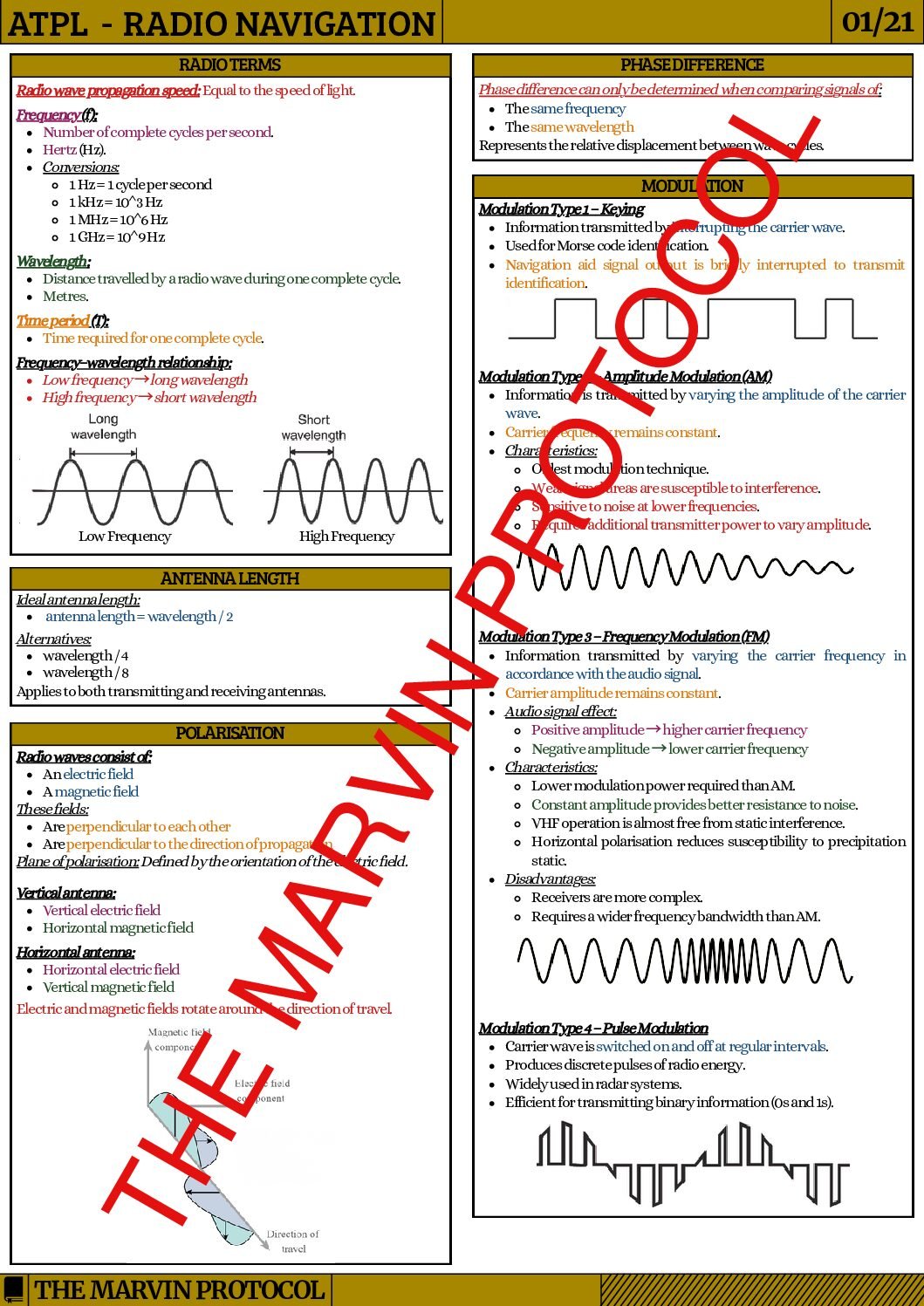
Provides comprehensive coverage of radio-navigation theory and navigation aids, including NDB, VOR, DME, ILS, radar, RNAV, FMS and GNSS, together with their operating principles and operational limitations.

14.99

Share

Provide a detailed understanding of radio-navigation theory, conventional navigation aids, radar, RNAV/FMS concepts, and satellite navigation.


Core Syllabus Areas

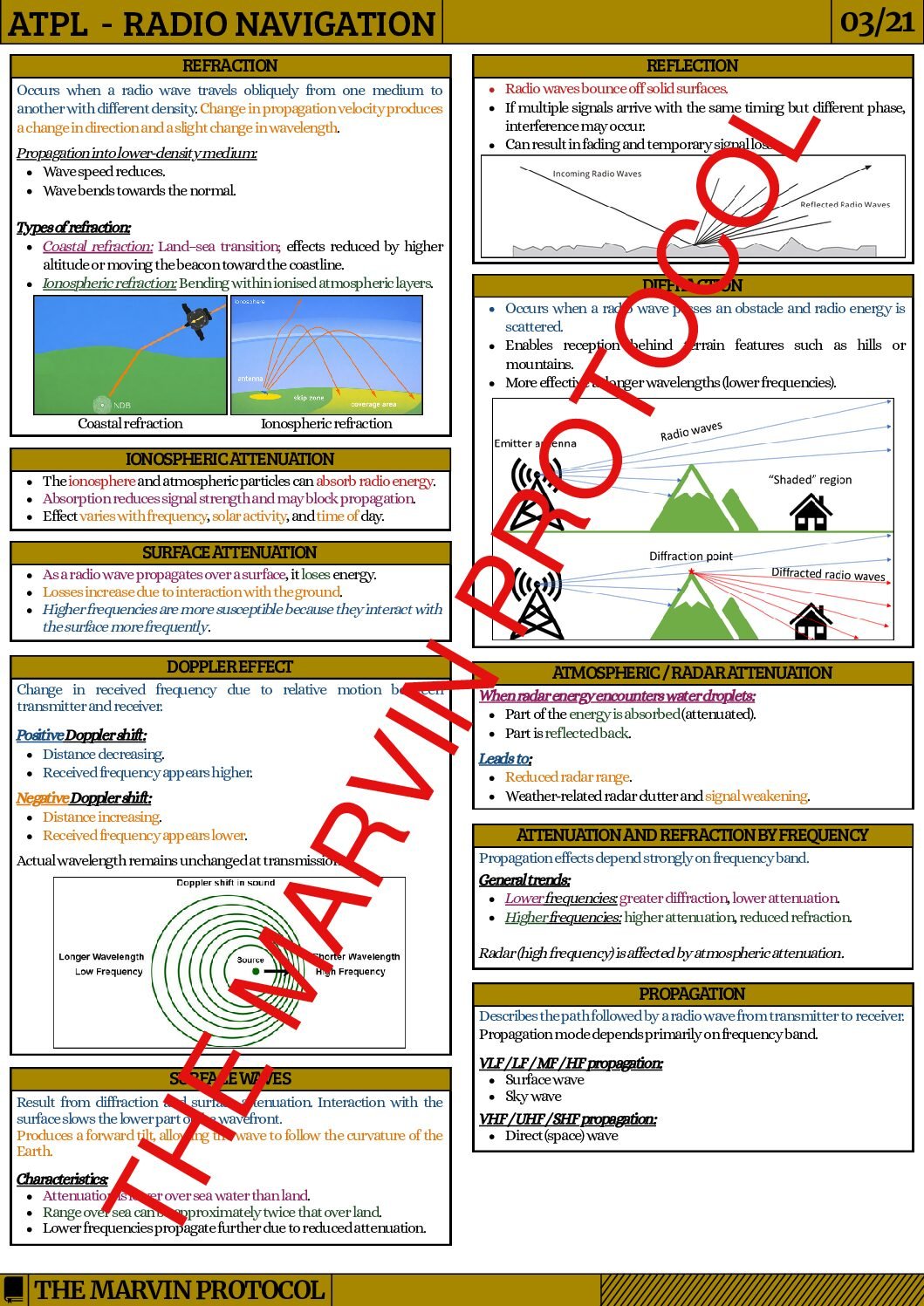
  • Basic radio propagation theory, frequency behaviour, wave propagation, and antenna fundamentals.
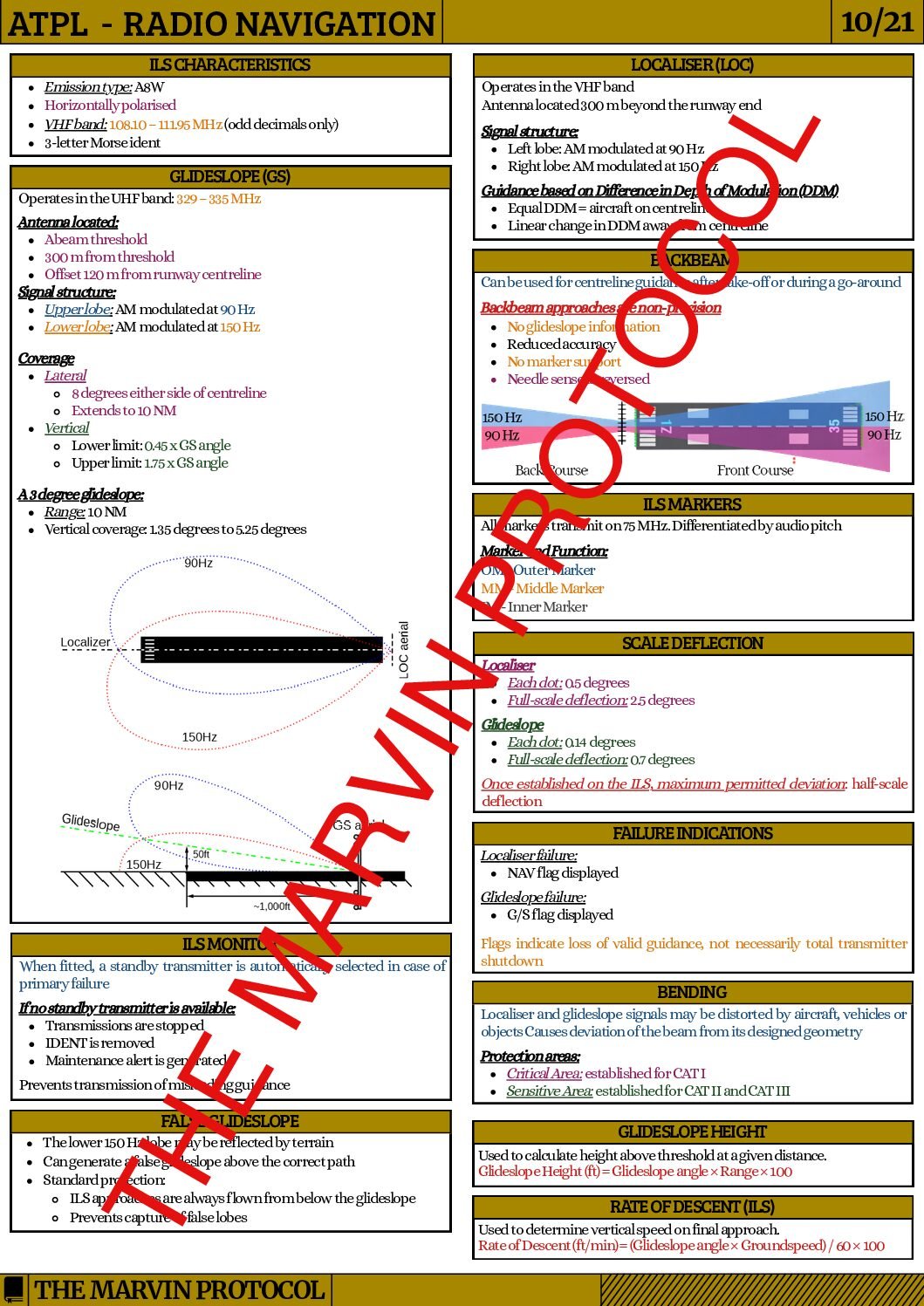
  • Conventional radio aids, including ground D/F, NDB/ADF, VOR, DME, ILS, and MLS.
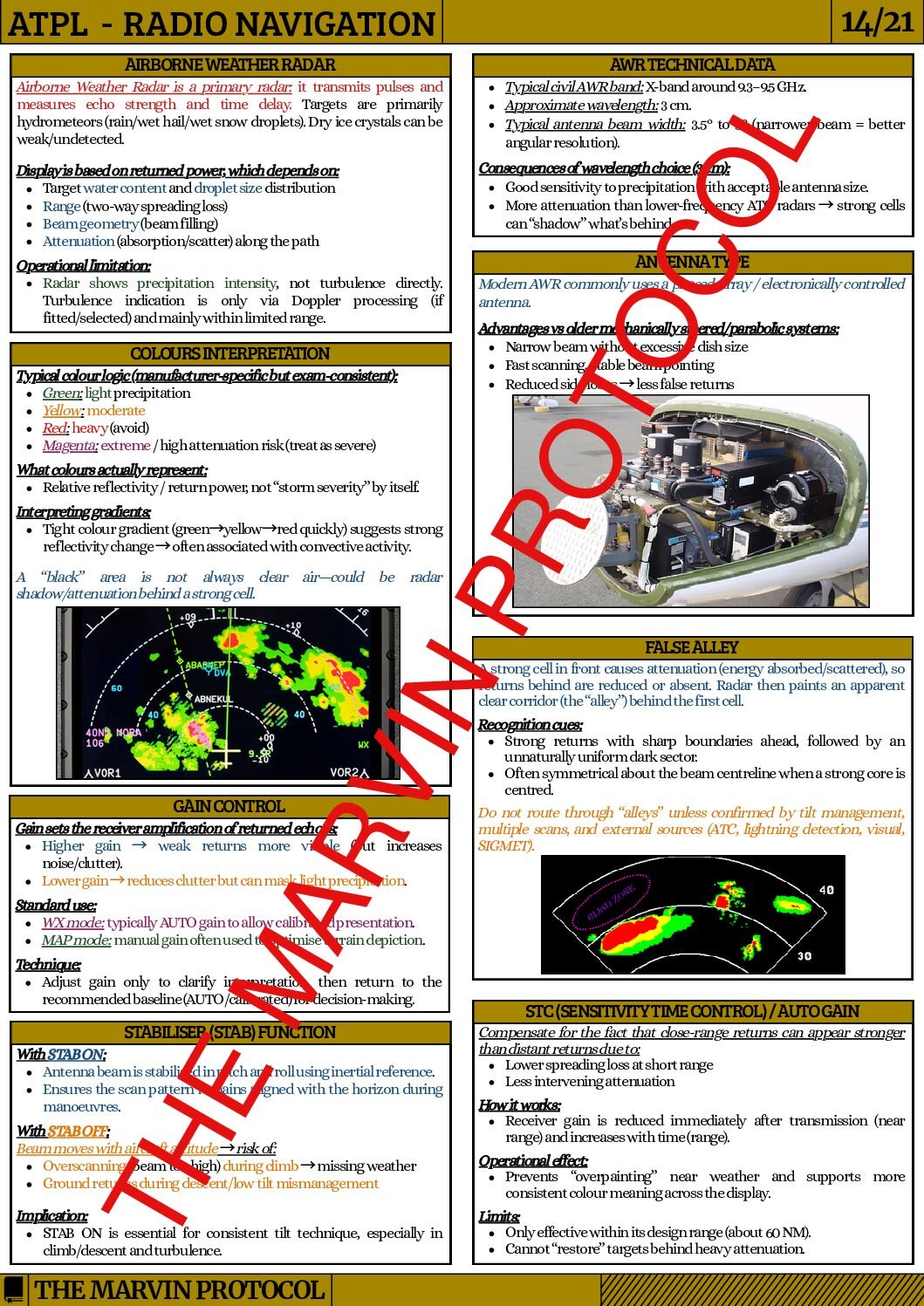
  • Radar fundamentals, including pulse techniques, primary and secondary radar, airborne weather radar, and transponder logic.
  • Area navigation systems and RNAV/FMS principles.
  • GNSS concepts, including GPS, GLONASS, Galileo, and augmentation systems.
  • Positioning accuracy, integrity, availability, and practical navigation-system use.


Key Competencies

  • Understand how each navigation aid works and what its limitations are.
  • Interpret radio-navigation indications correctly in en-route and approach contexts.
  • Distinguish between bearing, radial, distance, and path guidance information.
  • Understand FMS and RNAV logic at a conceptual-operational level.
  • Recognise the operational strengths and vulnerabilities of satellite navigation.


22 Pages.

Are your resources officially approved or endorsed by aviation authorities?

No. Our resources are independently developed and are not officially approved, certified, or endorsed by EASA, national aviation authorities, airlines, training organisations, or aircraft manufacturers. They are intended to complement—not replace—official documentation, approved training materials, or instruction provided by a qualified professional.

What sources are used to create your resources?

Our resources are developed using recognised aviation references, including applicable regulations, official publications, aircraft documentation, established training materials, and relevant operational sources. The references used may vary depending on the subject of each resource.

Are your resources aligned with EASA standards?

Where relevant, our resources are developed with the EASA regulatory and training environment in mind. However, regulations, procedures, syllabi, and operational requirements may change over time. Users should always verify critical information against the latest official documentation and the requirements of their aviation authority or training organisation.

How will I receive my digital purchase?

After your payment has been confirmed, your digital resource will be made available for download. You will normally receive access through the order confirmation page, your customer account, or the email address provided during checkout.

How long will I have access to my purchase?

Your purchased resources will remain available through your customer account for as long as the website and the relevant product remain available. We strongly recommend downloading and securely saving a personal copy of each purchased file.

Can I share a purchased resource with another person?

No. Each purchase is licensed exclusively to the individual customer for personal use. The files may not be shared, copied, redistributed, resold, uploaded online, or made available to third parties without prior written permission.

What is your refund policy for digital products?

Due to the immediate and downloadable nature of digital products, purchases are generally non-refundable once access to the file has been provided or the download has begun. This does not affect any mandatory consumer rights that may apply under applicable law. Please review the product information carefully before completing your purchase.

How can I contact customer support?

You can contact us through the contact form or the support email address provided on our website. Please include your name, order number, and a clear description of the issue so that we can assist you efficiently.

How do you ensure the accuracy of your resources?

Each resource is researched, structured, and reviewed with particular attention to clarity, consistency, and technical accuracy. Information is checked against relevant and reputable references before publication. However, aviation regulations, procedures, and technical information can change, so users must always consult the latest official sources before making operational, regulatory, or training-related decisions.

Our related products